
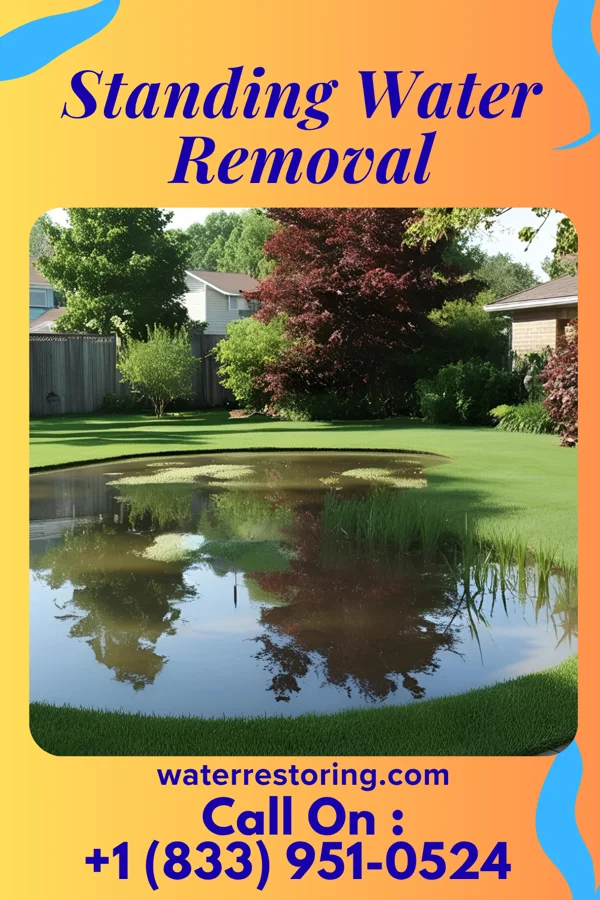
Why Scranton Standing Water Demands Fast Removal
Most water damage emergencies in Scranton start with In Scranton, Arkansas, the primary water damage cause is often due to sudden flooding from nearby rivers and creeks, particularly during heavy rainfall events. Additionally, residential plumbing leaks from aging pipes in older homes are a common issue, especially in rural areas with limited access to modern infrastructure.. A close second is Secondary causes include sewer backups from overwhelmed municipal systems, as well as water intrusion from poorly sealed basements in homes near the historic Morrison Bluff area. Stormwater runoff from nearby hills also contributes to localized flooding in low-lying neighborhoods.. From the second water touches the property, every minute changes what gets saved and what gets ripped out.
Scranton's rural setting and proximity to the Ouachita Mountains make it vulnerable to flash floods and heavy downpours. The region's humid climate also accelerates mold growth, increasing the urgency for rapid water damage response.
Most standing water removal calls in Scranton come from In Scranton, Arkansas, the primary water damage cause is often due to sudden flooding from nearby rivers and creeks, particularly during heavy rainfall events. Additionally, residential plumbing leaks from aging pipes in older homes are a common issue, especially in rural areas with limited access to modern infrastructure.. Running a close second is Secondary causes include sewer backups from overwhelmed municipal systems, as well as water intrusion from poorly sealed basements in homes near the historic Morrison Bluff area. Stormwater runoff from nearby hills also contributes to localized flooding in low-lying neighborhoods.. Local mold risk: Due to the high humidity and frequent rainfall in Scranton, mold can begin to grow within 48 hours of water exposure. Prompt action is critical to prevent long-term structural damage and health risks.